What Are British Flapjacks?
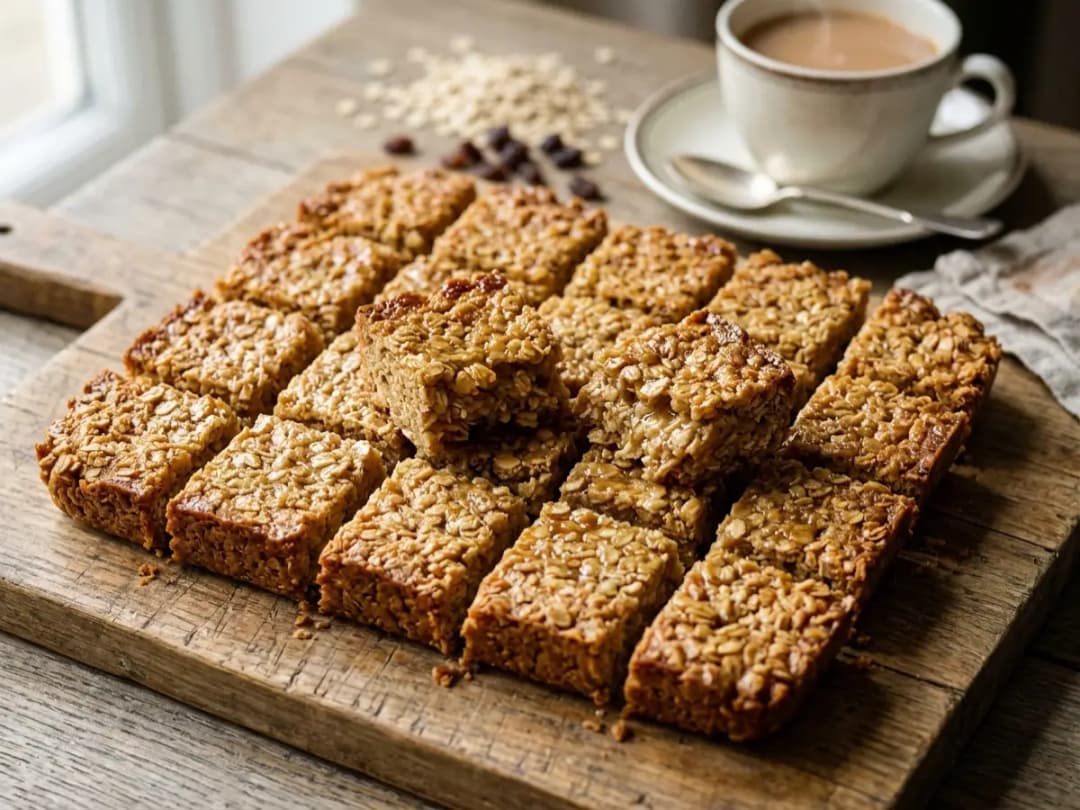
British flapjacks are simple baked oat bars made with oats, butter, sugar, and golden syrup. Unlike American flapjacks, which usually refer to pancakes, the British version is baked in a pan, cooled, and cut into individual squares.
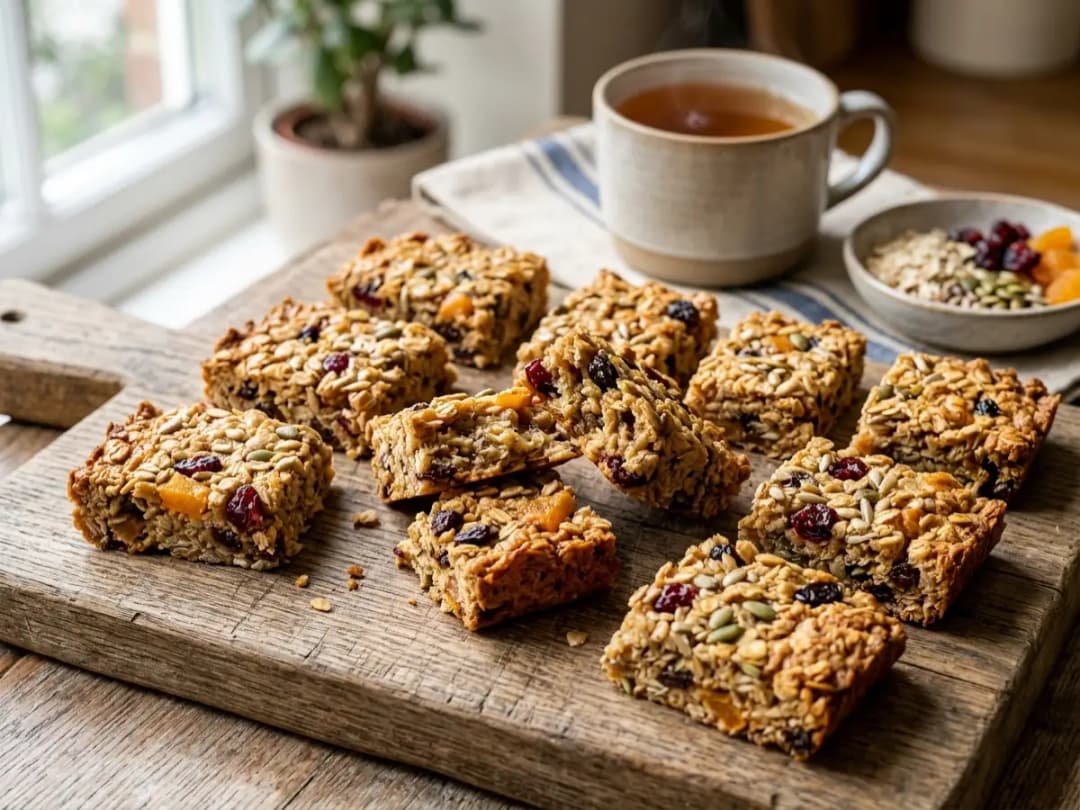
Their appeal comes from their straightforward ingredients and satisfying texture. A good flapjack has a lightly golden surface, a sweet buttery flavor, and a chewy center that holds together once cooled.
Why You'll Love These Traditional Flapjacks
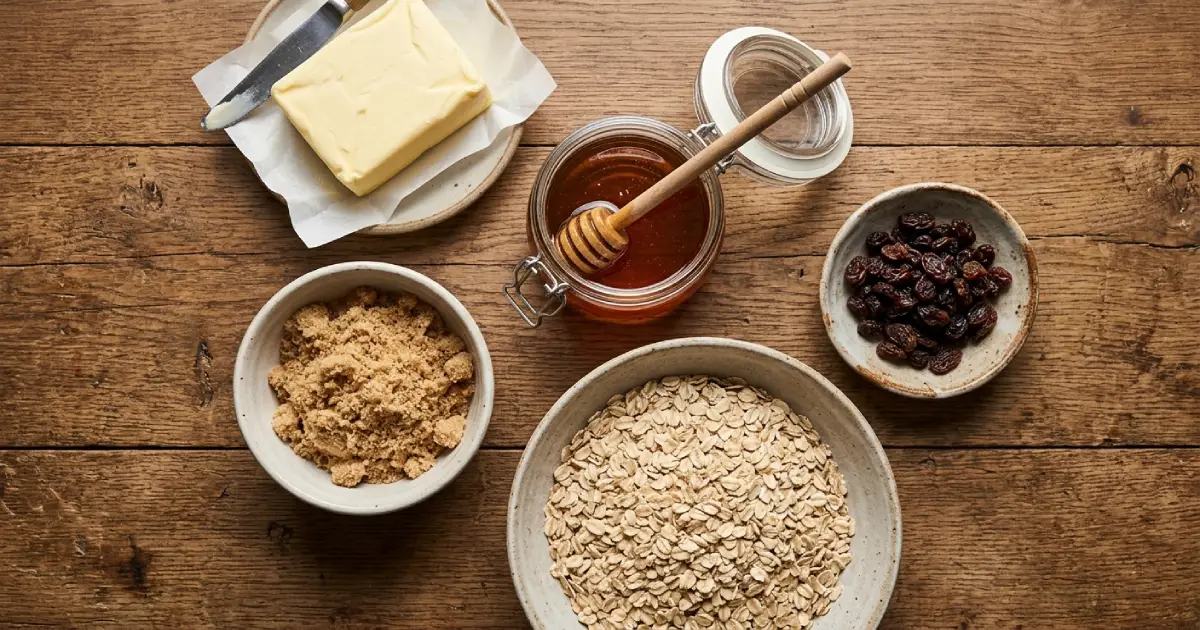
Simple pantry ingredients: The classic version uses just four main ingredients.
Easy preparation: Melt the butter mixture, combine it with the oats, and bake.
Chewy texture: Golden syrup helps bind the oats and gives the bars their characteristic softness.
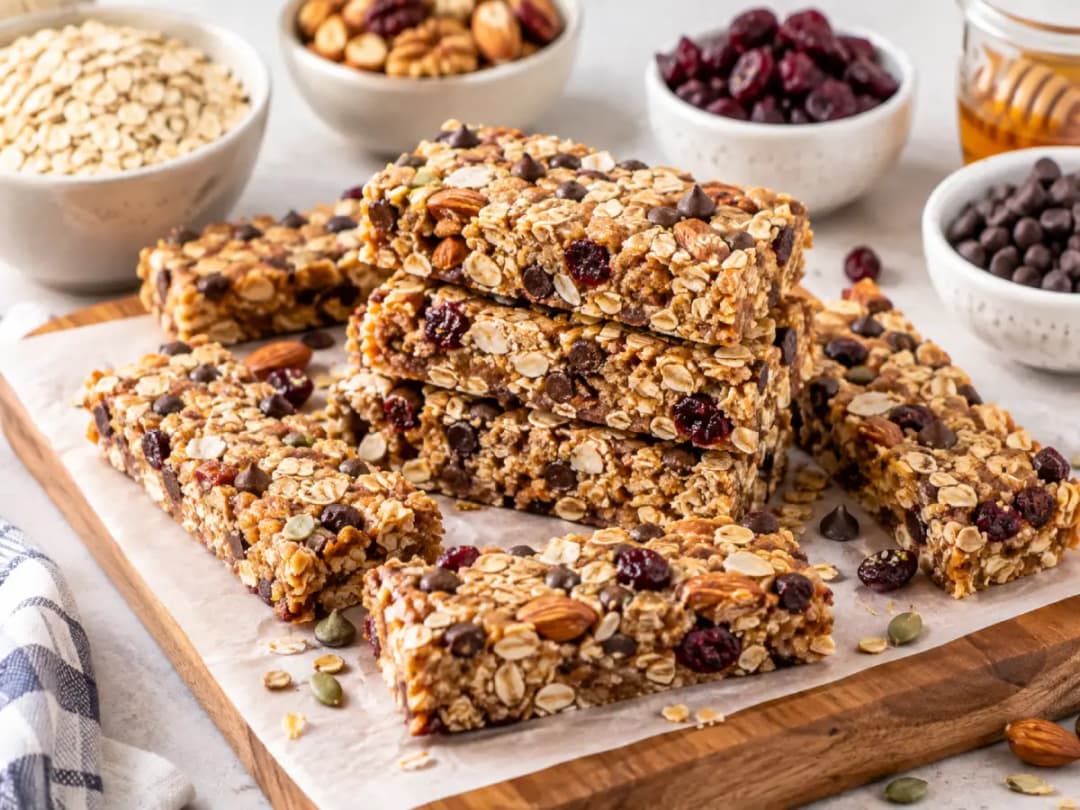
Easy to customize: Raisins, dried cranberries, chopped nuts, or seeds can be added.
Convenient for make-ahead snacks: Cut the cooled tray into portions and store them for later.
Choosing the Right Oats
The type of oats makes a noticeable difference to the finished texture.
Old-fashioned rolled oats are a dependable choice because they provide structure and a pleasant chew. Smaller porridge-style rolled oats can also work, producing a more compact texture.
Jumbo oats create a chunkier, more textured bar. Instant oats are generally not the best choice because they are much finer and can produce a softer, less distinct oat texture.
For a classic homemade result, choose rolled oats rather than instant oatmeal. A good set of stainless steel mixing bowls is also useful for combining the oats with the melted butter and syrup mixture.
Why Golden Syrup Matters
Golden syrup is a thick, amber-colored syrup commonly used in British baking. It adds sweetness, a mild caramel-like flavor, and helps the oat mixture hold together.
If golden syrup is difficult to find, clear runny honey can be used as an alternative. However, honey varies in flavor and consistency, so the finished flapjacks may have a slightly different taste and texture.
Avoid adding extra liquid without adjusting the recipe. The mixture should be coated and cohesive, not wet or soupy.
How to Get a Chewy Texture
A few small details can make a big difference.
First, melt the butter, sugar, and syrup gently. The mixture should become smooth, and the sugar should dissolve. Avoid allowing it to boil, because excessive heating can create a harder caramel-like texture after cooling.
Next, make sure the oats are evenly coated. Every part of the mixture should be covered with the buttery syrup mixture so the bars can hold together. A silicone spatula set makes it easier to fold the oats into the melted mixture and scrape the sides of the bowl.
Press the mixture firmly into the prepared baking pan. A compact, even layer helps prevent loose or crumbly pieces. An 8-inch square baking pan is a useful addition to your baking equipment for making evenly sized oat bars.
Finally, avoid overbaking. The surface should be evenly golden, but the center may still look slightly soft when the pan first comes out of the oven. The flapjacks will firm up as they cool.
Easy Flapjack Variations
The traditional recipe is delicious on its own, but you can personalize it with a few additions.
Raisin Flapjacks
Raisins add little pockets of fruity sweetness. Fold them into the oat mixture before pressing it into the pan.
Cranberry Flapjacks
Dried cranberries provide a slightly tart contrast to the sweet buttery base. Chop larger pieces if needed so they distribute evenly.
Nutty Flapjacks
Finely chopped almonds, walnuts, or pecans add crunch. Chop them into small pieces so they are spread throughout the mixture.
Seed Flapjacks
Pumpkin, sunflower, or sesame seeds add texture. Use moderate amounts so the mixture still binds together properly.
Keep additional ingredients balanced. Adding too many dry mix-ins can make the bars harder to hold together.
How to Tell When Flapjacks Are Done
Look for an evenly golden surface. The edges may become slightly more golden than the center, but the whole top should have a consistent baked color.
Don't worry if the mixture has a slight wobble when it first comes out of the oven. It is still hot and soft at this stage.
Allow the flapjacks to cool completely in the pan before cutting. This cooling period is essential because the mixture becomes firmer as it reaches room temperature.
Serving Suggestions
These oat bars are easy to enjoy in different ways:
Serve with a cup of tea or coffee.
Pack a square for an afternoon snack.
Add one to a lunchbox.
Serve alongside fresh fruit.
Arrange small squares on a dessert platter.
For another homemade oat-based snack, try our Healthy Flapjack Recipe, which uses seeds and dried fruit for a different variation.
Storage Tips
Once completely cool, cut the flapjacks into portions and transfer them to airtight food storage containers. Keeping them in a sealed container helps protect their texture and keeps them ready for snacking.
They can be kept at room temperature for approximately 5–7 days, provided they are stored in a cool, dry place. On particularly warm days, refrigeration may help maintain their texture.
For longer storage, freeze the portions in a freezer-safe container, separating layers with parchment paper.
Allow frozen portions to thaw before serving.
Frequently Asked Questions
Why are my flapjacks falling apart?
They may not have been pressed firmly enough into the pan, or they may have been cut before cooling completely. Make sure the oats are evenly coated and allow the whole tray to cool before slicing.
Why are my flapjacks hard?
Overheating the butter, sugar, and syrup mixture or baking for too long can make the finished bars hard. Melt the mixture gently and remove the tray once the surface is evenly golden.
Can I use honey instead of golden syrup?
Yes. Clear runny honey can be used as an alternative, although the flavor and texture may vary slightly.
Can I use instant oats?
Rolled oats are preferable. Instant oats are much finer and can create a different, softer texture.
Do flapjacks need to cool before cutting?
Yes. They are soft when they first come out of the oven. Cooling allows the mixture to set so the bars are easier to cut and handle.
Can I make flapjacks without raisins?
Absolutely. Raisins are optional. The basic four-ingredient flapjack works perfectly well without any additional mix-ins.
Final Thoughts
Traditional British flapjacks are a lovely example of how a few simple ingredients can create a satisfying homemade treat. The key is to melt the syrup mixture gently, coat the oats evenly, press the mixture firmly, and allow enough time for the bars to cool.
Once you understand those basics, it's easy to experiment with fruit, nuts, or seeds while keeping the classic chewy oat-bar texture.
Enjoy your homemade flapjacks!
As an Amazon Associate, we earn from qualifying purchases at no additional cost to you.