Why chicken adapts to so many dishes
Different cuts behave differently, and matching the cut to the method is most of the work. Quick-cooking cuts suit high heat, while tougher cuts do better with longer, gentler cooking that gives them time to become tender.
Matching cuts to cooking methods
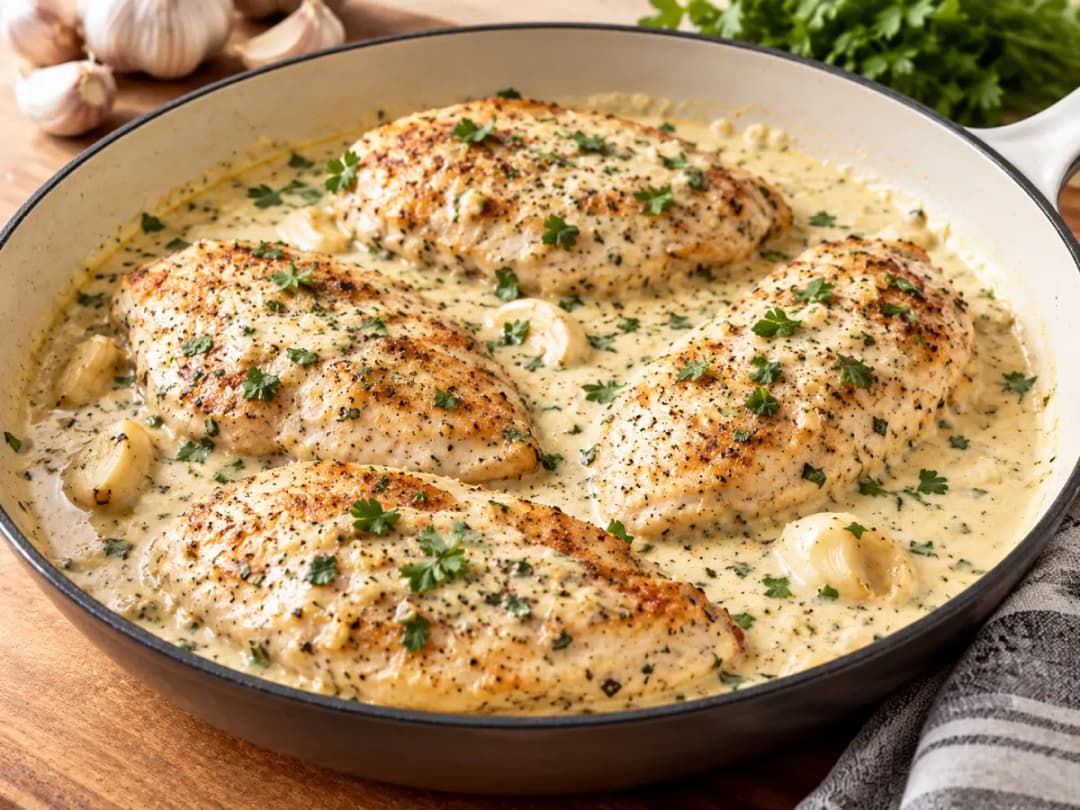
- Breasts and cutlets — best seared, grilled, or baked quickly so they stay juicy.
- Thighs and legs — forgiving and flavorful; good for roasting, braising, and simmering.
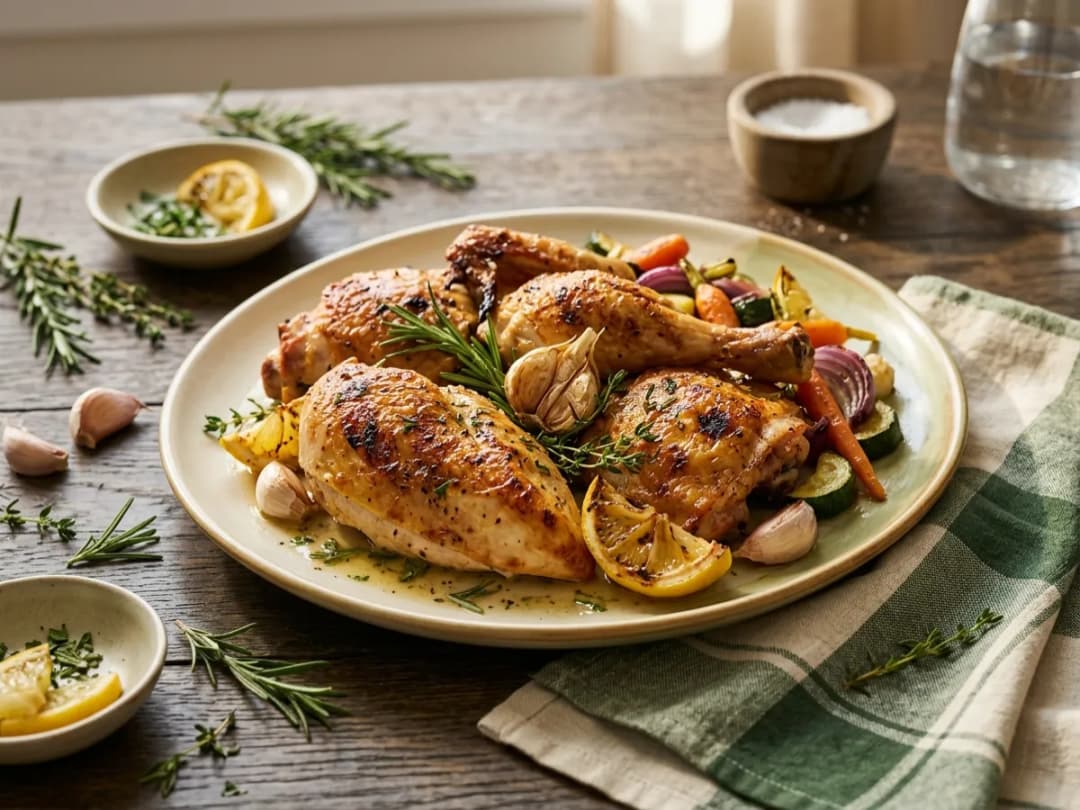
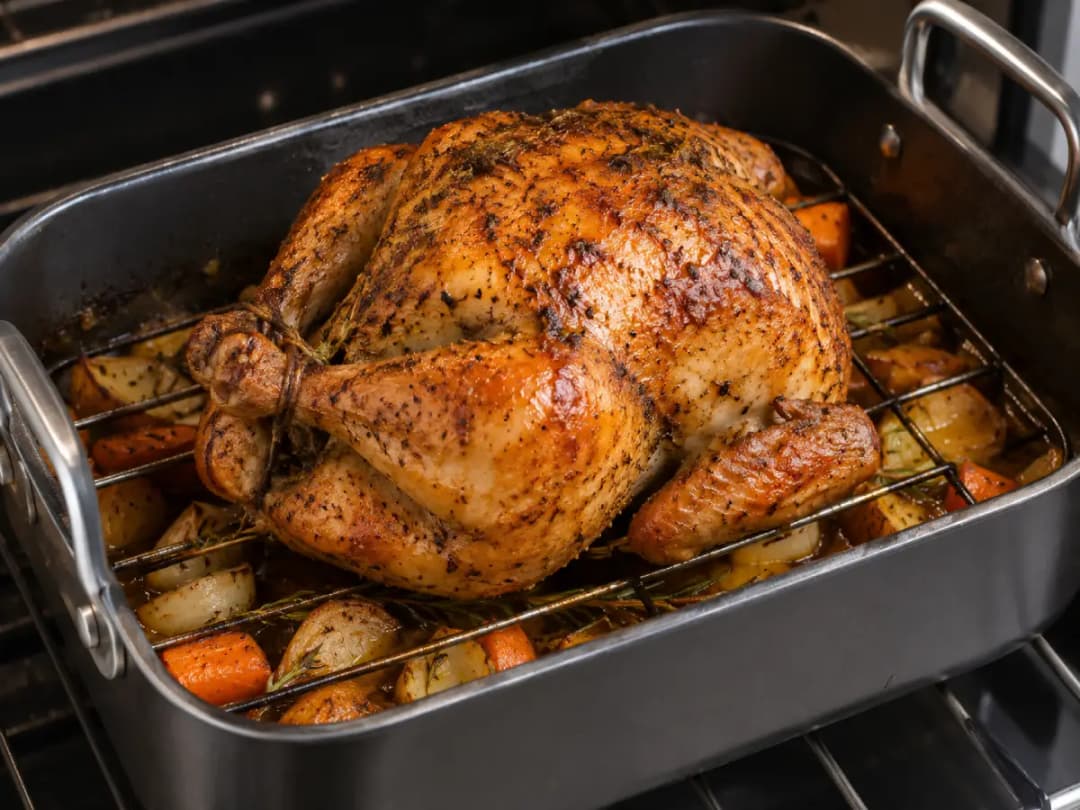
- Whole bird — suited to roasting, with plenty left over for other meals.
- Wings — ideal for high-heat roasting or grilling, where the skin can crisp.
Handling and doneness
Keep raw chicken separate from ready-to-eat food and wash hands, boards, and knives after contact. Cook chicken all the way through — the thickest part should reach a safe internal temperature and the juices should run clear. A simple probe thermometer removes the guesswork.
Leftovers
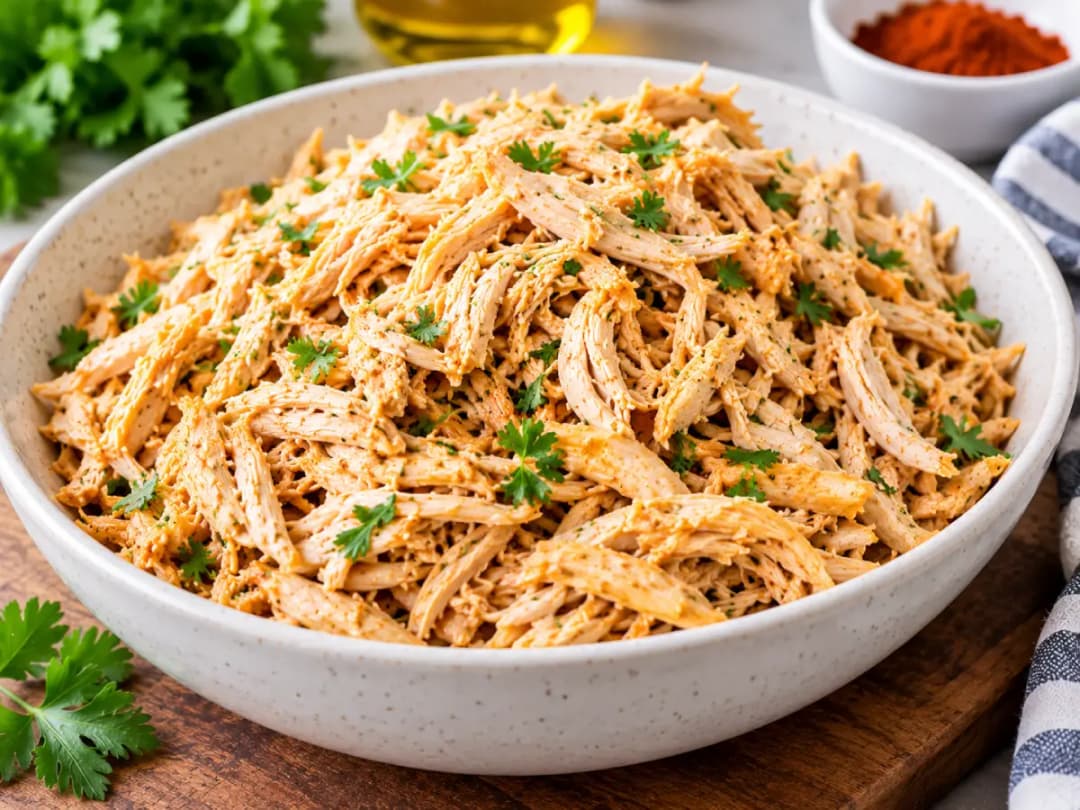
Cooked chicken is useful in salads, sandwiches, and grain bowls, so it is worth cooking a little extra. Cool leftovers quickly, refrigerate promptly, and reheat until hot.
Where to look next
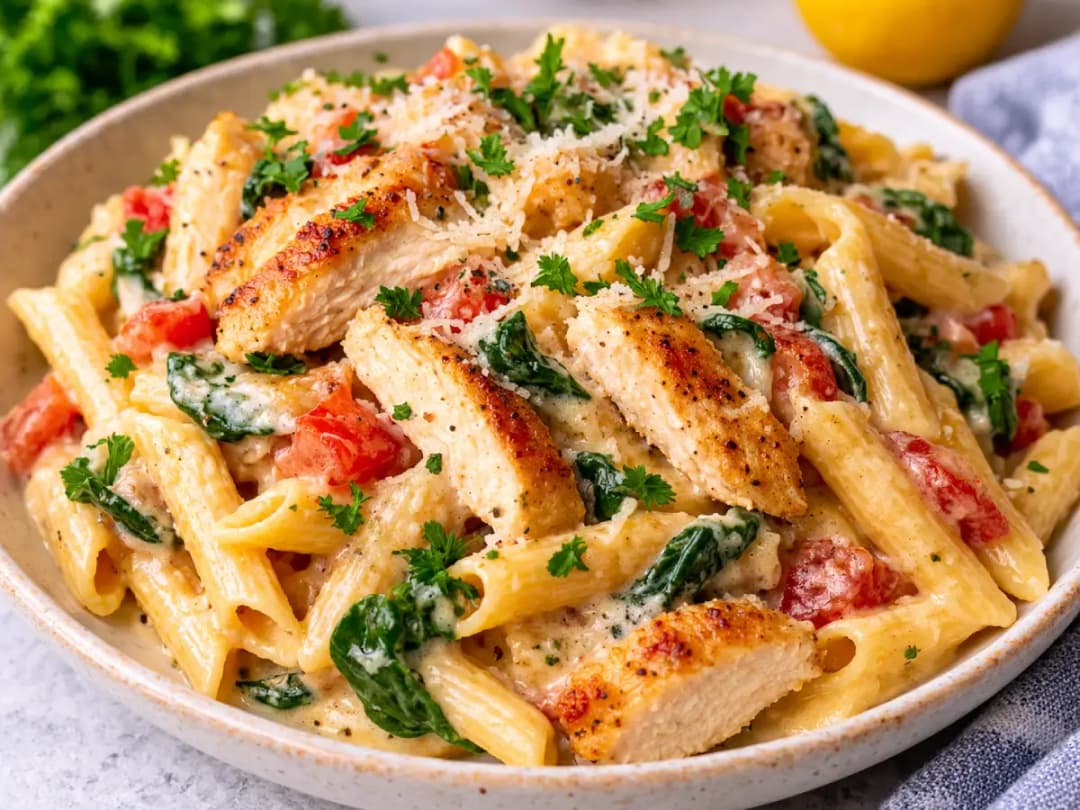
Chicken works as the center of a dinner or as a component of a warm soup.